
navy urinalysis program instruction
Role of the Urinalysis Program Coordinator (UPC)
The UPC, designated E‑7 or higher, civilian GS‑06+, or contractor, oversees the Navy Drug Screening Program, coordinates observers, reviews results, ensures compliance, and reports deficiencies to command. integritynow!
Designation and Authority
The Urinalysis Program Coordinator (UPC) must hold a minimum rank of E‑7, a civilian GS‑06 or higher, or an equivalent government contractor designation. Designation is formalized in writing, and a copy is forwarded to OPNAV N17‑3C, Drug Detection and Deterrence (DDD) via fax or email (Mill_underdsp@navy.mil). Commands may appoint multiple assistant UPCs and observers to support effective program execution. Upon appointment, the primary UPC must notify the Immediate Superior in Command (ISIC) and the Alcohol and Drug Control Officer (ADC‑O). The UPC wields authority to manage the entire urinalysis collection program, operate the Navy Drug Screening Program (NDSP) or other designated drug‑testing systems, and review results through the Internet Forensic Toxicology Drug Testing Laboratory (iFTDTL) portal. The coordinator ensures observers receive the “Urinalysis Observer Briefing Sheet” for each event, guarantees that every member receives verbatim instructions, and oversees specimen transfer and custody. The UPC reports any failure to meet monthly sampling requirements and the planned resolution to Echelon‑2 or Echelon‑3 commanders, and is responsible for proper packaging of specimens for shipment. This authority enables the UPC to maintain program integrity and compliance across all units !.
Urinalysis Program Structure
The program comprises a primary UPC, assistant coordinators, observers, and a chain of command. It integrates sampling schedules, result review via iFTDTL, and compliance reporting to DDD and higher echelons.!!!!!!
Program Overview
The Navy Urinalysis Program is a structured, command‑driven system designed to detect and deter drug and alcohol misuse among service members. It operates under the authority of the Navy Drug Detection and Deterrence (DDD) organization and is administered by the designated Urinalysis Program Coordinator (UPC). The program’s core objectives include ensuring compliance with federal and Navy regulations, maintaining the integrity of sample collection and testing, and providing timely, accurate results to support command decisions. The UPC oversees sampling activities including the selection of sampling pools scheduling of collection events and coordination of observers. Each sampling event follows a strict protocol that mandates proper specimen collection, labeling, and custody procedures to prevent tampering or contamination. Results are reviewed Forensic Toxicology Drug Testing Laboratory (iFTDTL) portal, where the theUPC verifies. The program also incorporates a quality assurance framework that includes periodic audits, training updates for observers, and continuous improvement initiatives. By integrating these elements, the Navy Urinalysis Program maintains a high level of operational readiness and supports the overall mission of ensuring a drug‑free, mission‑ready force.
Urinalysis Collection Procedures
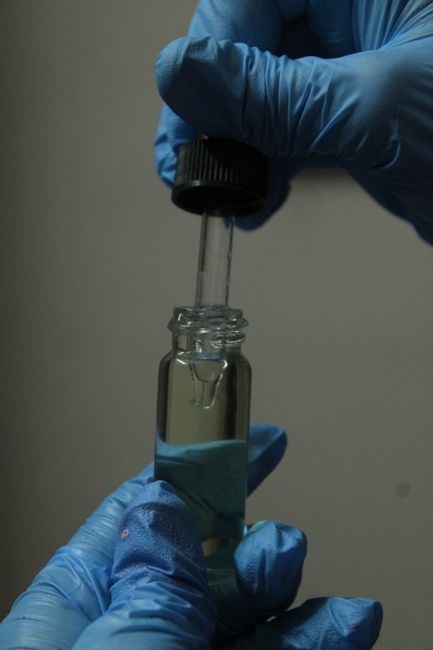
Collection follows strict protocol: personnel receive written instructions, use sterile containers, perform midstream void, label with ID, time, and chain‑of‑custody, then seal and transport to lab under supervision.
Sample Collection Protocol
Personnel receive a written briefing that details the entire process, from pre‑sampling instructions to final specimen hand‑off. The protocol requires a sterile, tamper‑evident container, clearly labeled with the individual’s name, badge number, date, time, and a unique specimen code. The individual must perform a midstream void, collecting the first portion of urine, then the middle stream, and finally the last portion, to ensure a representative sample. After collection, the individual signs the chain‑of‑custody form, confirming receipt and proper handling. The container is sealed, stored at the prescribed temperature, and transported to the designated laboratory within the specified time window. Throughout, the observer verifies identity, observes the collection, and records any deviations. This strict adherence prevents contamination, ensures validity, and upholds the integrity of the Navy’s drug‑screening program. The procedure requires that observer signs a chain‑of‑custody form, specimen is stored analysis, ensuring compliance with federal preserving sample integrity. The program mandates that all personnel complete training on specimen integrity, maintain accurate logs, report any anomalies to the UPC within hours, ensuring program’s credibility adherence to national global standard.!
Specimen Handling and Custody
All specimens are sealed in tamper‑evident containers and logged on the chain‑of‑custody sheet. The observer verifies identity, signs the sheet, and records the time, date, and location. Specimens must be stored at 2–8 °C and transported within 24 hours to the designated lab. The UPC reviews the chain‑of‑custody for completeness and signs off on receipt. Any deviation—such as missing signatures, improper temperature, or delayed transport—must be reported to the UPC immediately and documented in the audit log. The program mandates that all personnel maintain a temperature log, perform routine checks, and use calibrated thermometers. Specimens are labeled with a unique code that matches the individual’s record. The UPC ensures that the lab receives the specimen in the correct container, verifies the code, and records the arrival time. This strict procedure preserves sample integrity, prevents contamination, and supports the validity of test results, thereby upholding the Navy’s drug‑screening standards and compliance with federal regulations. All actions logged in UPC.!!

Special Urinalysis Testing
Drug‑class tests target opioids, benzodiazepines, stimulants, and cannabinoids. The UPC selects panels, ensures lab calibration, and reviews results for accuracy. to maintain compliance.!!
Drug Class Specific Testing
Drug‑class testing focuses on specific substance groups to detect illicit or prescription drug use. The Navy’s protocol requires initial screening for opioids, benzodiazepines, stimulants, and cannabinoids using immunoassay panels. Positive screens trigger confirmatory gas chromatography–mass spectrometry (GC‑MS) to verify identity and quantify concentration. Thresholds are set per federal guidelines: opioids 200 ng/mL, benzodiazepines 200 ng/mL, stimulants 200 ng/mL, cannabinoids 200 ng/mL. The UPC selects appropriate panels based on mission risk, schedules periodic updates, and ensures laboratory calibration. Observers record specimen integrity, while the UPC reviews results via the Internet Forensic Toxicology Drug Testing Laboratory portal. If a sample exceeds the threshold, the UPC initiates a re‑collection or a secondary test. The program also includes special testing for emerging synthetic cannabinoids and designer stimulants, requiring expanded panels and updated reference ranges. All data are logged, audited, and reported to command to maintain compliance and readiness. The UPC monitors drug trends, updates panels, and coordinates with the Forensic Toxicology Laboratory for rapid results and compliance.!!.
Inability to Provide a Urine Specimen
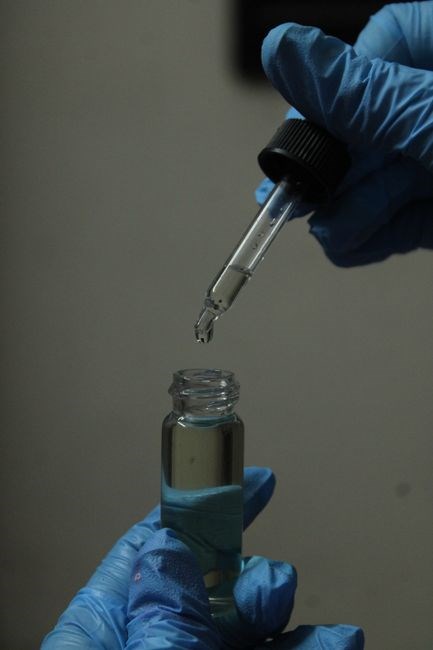
When a member cannot provide a specimen due to medical reasons, the UPC documents the exemption, notifies the ADC Officer, and arranges an alternative test such as a blood or saliva sample to fully maintain compliance
Medical Exemptions and Alternatives
When a service member is unable to provide a urine specimen due to a documented medical condition, the UPC must obtain a written medical exemption from the authorized medical officer. The exemption should specify the condition, the expected duration of the inability, and any recommended alternative testing method. Approved alternatives include blood, saliva, or hair analysis, provided they meet the sensitivity and specificity requirements set by the Navy Drug Screening Program. The UPC must record the exemption in the individual’s testing log, notify the ADC Officer, and ensure the alternative sample is collected under controlled conditions to maintain chain of custody. Failure to comply with these procedures may result in a disciplinary action or a re‑testing requirement once the member’s medical status permits a standard urine collection.
The UPC coordinates with the medical office to ensure the alternative sample is collected in a manner that preserves integrity, and maintains documentation. Any deviation from the approved protocol is reported to the ADC Officer for corrective action.
Wrongful Use Determination
When a specimen indicates drug use, the UPC initiates a wrongful use investigation, reviews chain‑of‑custody, interviews the individual, consults medical and legal advisors, documents findings, reports to the ADC Officer.
Procedure for Suspected Wrongful Use
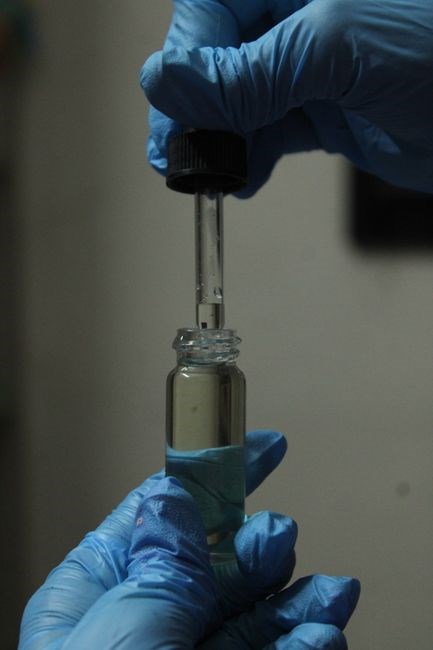
Upon detection of a positive drug result, the UPC must immediately notify the ADC Officer and the chain of command. A formal investigation is launched, documenting the specimen’s chain‑of‑custody, the test method, and any observed anomalies. The individual is interviewed by a trained observer, with the interview recorded and transcribed. Medical and legal advisors review the case to determine if a medical exemption or alternative testing is warranted. All findings are compiled into a report, which includes the UPC’s recommendation for disciplinary action, counseling, or remedial training. The report is submitted to the commanding officer and the ADC Office for final disposition. The UPC ensures that corrective measures are implemented and that the individual’s record reflects the outcome. Continuous monitoring and follow‑up testing are scheduled to confirm compliance and to deter future violations. The UPC also coordinates with the medical examiner to verify any physiological factors that could influence the test outcome, ensuring fairness and accuracy. strictly!
End-of-Year Testing Requirements
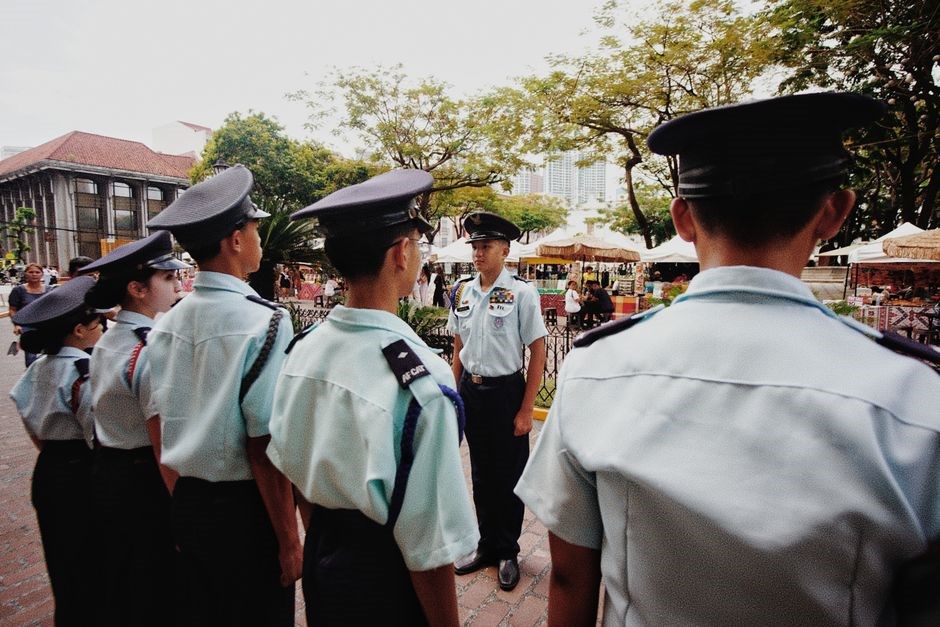
Annual sampling occurs in December, covering all eligible personnel. UPCs coordinate dates, notify observers, and ensure specimen integrity. Results are reported to command DDD
Annual Sampling Schedule
The Navy’s annual urinalysis cycle occurs during the last week of December each year. The Primary Urinalysis Program Coordinator (UPC) coordinates exact dates, informs observers, and ensures the sampling window is clearly communicated. The UPC submits a sampling plan to the Drug Detection and Deterrence (DDD) office at least 30 days before the event, detailing specimen numbers, collection points, and assigned personnel. The UPC aligns the schedule with operational commitments or deployments that may affect personnel availability. After sampling, the UPC compiles a report of total specimens, positive results, and any deviations, then forwards it to the command’s Alcohol and Drug Control Officer and the DDD office for review. The UPC confirms all specimens are labeled, sealed, and stored at the correct temperature until shipment to the Integrated Forensic Toxicology Drug Testing Laboratory (iFTDTL). Compliance with Navy regulations is maintained through strict record‑keeping audits. This structured approach ensures transparent reliable, and effective drug detection across all commands fully.
Urinalysis Supplies and Equipment
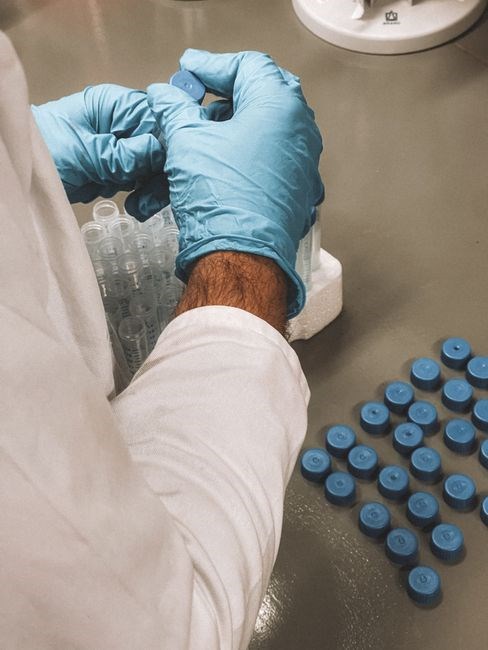
All urinalysis supplies must be Navy‑approved: sterile containers, labeled cups, gloves, biohazard bags, temperature‑controlled storage, and transport kits. Equipmentincludes pipettes,centrifuges,andbarcode scanners
Required Supplies and Storage
All Navy urinalysis supplies must be Navy‑approved and meet the specifications outlined in the OPGUIDE. The required items include sterile, leak‑proof urine containers with tamper‑evident caps; pre‑labeled specimen cups; disposable nitrile gloves; biohazard bags; and temperature‑controlled storage units (2–8 °C). Each container must carry a unique identifier, and all labels must be legible and affixed before collection. Specimens are stored in a dedicated refrigerator or cooler that maintains a constant temperature, protected from direct sunlight and vibration. When transport is necessary, sealed, insulated containers with ice packs are used to preserve sample integrity. The supply kit also contains calibrated pipettes, a centrifuge for sediment analysis, a barcode scanner for chain‑of‑custody tracking, and a digital thermometer to verify temperature compliance. All equipment must be calibrated annually, and a log of maintenance and calibration dates must be kept in the urinalysis program database. Proper storage handling are critical to ensure sample validitys meet regulatory compliance.
Urinalysis Testing Best Practices
Adopt strict chain‑of‑custody, verify specimen integrity, use calibrated equipment, document all steps, conduct periodic audits, and train observers to ensure compliance with Navy standards. and maintain audit integrity.!
Quality Assurance and Auditing
Quality assurance in the Navy urinalysis program relies on systematic audits of collection, handling, and testing procedures. Each sampling event is logged in the Integrated Forensic Toxicology Drug Testing Laboratory (iFTDTL) portal, where results are cross‑checked against chain‑of‑custody documentation. Auditors review observer briefing sheets, verify that specimen containers are sealed and labeled per protocol, and confirm that the UPC has recorded any deviations. Training records for observers and UPCs are maintained and updated quarterly to reflect changes in testing algorithms. When discrepancies arise, a root‑cause analysis is conducted, corrective actions are documented, and follow‑up audits ensure resolution. Reports of audit findings are submitted to the OPNAV N17‑3C Drug Detection and Deterrence (DDD) office via fax or secure email, and summarized in the monthly compliance report. This cycle of continuous monitoring, documentation, and corrective feedback sustains the integrity of the program and supports command accountability. All audit activities are logged in compliance database for traceability.!